Laser Lifting vs. Surgical Lifting — What Research Shows About Collagen Remodeling
In the world of aesthetic dermatology and plastic surgery, improving skin laxity and reversing signs of aging often comes down to one core biological factor: collagen remodeling. Collagen, the protein that gives skin its strength and elasticity, diminishes with age. Treatments like laser lifting and surgical lifting aim to counteract this decline—but they do so in fundamentally different ways and with different outcomes.
What Is Collagen Remodeling?
Collagen remodeling refers to the process of breaking down old or damaged collagen fibers and stimulating the body to produce new collagen. This dynamic process is central to skin rejuvenation and firmness. Research shows that controlled injury to the skin—such as heating or controlled wounding—can trigger the body’s natural repair processes, leading to new collagen formation and structural improvement over time.
Laser Lifting: Non-Surgical Stimulation of Collagen
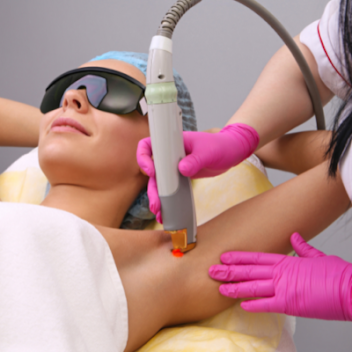
Laser lifting uses focused light energy to heat the dermis (the deeper layer of the skin) without the need for incisions. The controlled thermal injury triggers a wound-healing response: existing collagen contracts and fibroblasts are stimulated to produce new collagen fibers. Histological studies have shown laser resurfacing can lead to new collagen that appears as long, bright, and organized fibers in the treated skin—an indicator of collagen remodeling that can last for months after treatment.
Different laser types, including non-ablative and ablative systems, vary in depth and mechanism. For example, some fractional lasers create tiny patterns of injury that encourage the dermis to regenerate, while others use heat to denature collagen and accelerate renewal.
Pros of Laser Lifting:
• Minimally invasive with reduced downtime.
• Stimulates collagen production and improves skin texture.
• Good for mild to moderate signs of aging including fine lines and slight sagging.
Limitations:
• The “lift” is subtle and comes from tightening and volumizing the skin—not from repositioning deep tissues.
• Multiple sessions may be required for best results.
Surgical Lifting: Structural Change and Lasting Results
A surgical facelift involves incisions, repositioning of deeper facial tissues and removal of excess skin. Because it directly alters the structural support of the face, surgery provides the most significant and long-lasting change in skin laxity. Surgical lifting doesn’t primarily rely on collagen stimulation as its mechanism; instead, it mechanically repositions tissues. However, post-surgical healing does involve a strong collagen remodeling component as the body repairs and reinforces treated areas.
Pros of Surgical Lifting:
• Most dramatic improvement for moderate to severe sagging.
• Longer-lasting results compared to non-surgical approaches.
Cons:
• Requires anesthesia, longer recovery, and carries surgical risks.
• Scarring and downtime are greater.
Head-to-Head: What Research Says
Comparative studies, while limited, indicate that traditional surgical facelifts produce significantly greater improvement in skin laxity than less invasive energy-based modalities. One analysis found surgical intervention delivered roughly three times the measurable tightening effect of a single energy-based treatment session.
In contrast, laser and similar techniques offer a collagen-centered approach—enhancing skin quality and mild tightening without the structural changes that surgery achieves. They remain excellent options for those seeking rejuvenation with minimal interruption to daily life.
Ultimately, the choice between laser lifting and surgical lifting depends on your aesthetic goals and the degree of aging changes you wish to address. Laser modalities excel at stimulating collagen remodeling and improving texture with minimal downtime, while surgery remains the gold standard for profound lift and repositioning of facial tissues. “Book a consultation,” “Learn more,” “Visit col-center.ca.”

Comments
Post a Comment