Non-Ablative Laser for Sun Damage: A Safer Alternative to Harsh Chemical Peels
Harsh chemical peels can irritate sensitive skin, while non-ablative lasers target pigment safely and precisely. Multi-laser protocols brighten sun spots, reduce redness, and improve texture with minimal downtime.
Sun exposure can gradually leave its mark on the skin, causing brown spots, uneven tone, redness, fine lines, and rough texture. While chemical peels remain an established option for photoaging, non-ablative laser treatments offer another approach for people who want controlled skin rejuvenation without intentionally removing the outermost layer of skin. The best treatment depends on skin type, pigmentation, sensitivity, and the specific type of sun damage.

How Non-Ablative Lasers Work
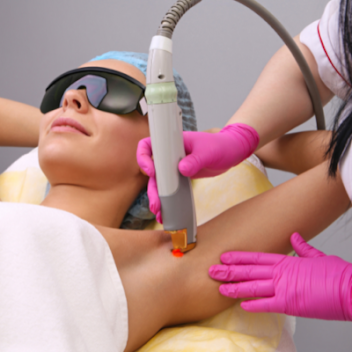
Non-ablative lasers deliver controlled energy into targeted layers of the skin while largely preserving the surface. The heat can stimulate fibroblasts and encourage collagen remodeling, which may improve firmness, texture, and fine lines over time.
Different laser wavelengths can target different concerns. Depending on the technology selected, treatment may address pigmentation, vascular redness, uneven texture, or signs of photoaging. Using more than one technology may allow a practitioner to address several concerns during a customized treatment plan.
Research on non-ablative fractional lasers has shown improvements in photodamage with relatively short recovery periods, although temporary redness, swelling, discomfort, and pigment changes can still occur.
Laser Treatment vs. Chemical Peels
Chemical peels work by applying an exfoliating chemical solution that produces controlled injury to the skin. They can be effective for pigmentation, acne, scarring, and photoaging, but the depth of the peel influences both results and the likelihood of complications.
A deeper peel may provide more dramatic resurfacing but can also involve more peeling, irritation, downtime, and potential pigment complications. Even superficial peels can occasionally cause erythema, crusting, or post-inflammatory hyperpigmentation, particularly in certain skin types.
Importantly, lasers are not automatically safer than every chemical peel. A 2026 systematic review found that both lasers and chemical peels can effectively rejuvenate skin, with treatment choice depending on the condition, skin type, and tolerance for side effects.
Benefits of Non-Ablative Laser Treatment
Potential advantages include:
- Targeted treatment: Energy can be selected for specific pigmentation or skin concerns.
- Collagen remodeling: Controlled thermal energy can stimulate dermal remodeling.
- Texture improvement: Treatments may soften roughness and improve overall skin quality.
- Gradual results: Skin can continue remodeling after a series of treatments.
- Less downtime: Non-ablative approaches generally require less recovery than aggressive ablative resurfacing.
Consistent sun protection is essential after treatment because UV exposure can contribute to recurrent pigmentation and further photoaging.
FAQs
Is
non-ablative laser treatment completely risk-free?
No. Temporary redness, swelling, discomfort, pigment changes, infection, and
other complications are possible. Proper assessment and treatment settings are
important.
How
many treatments are needed?
It depends on the laser, degree of sun damage, skin type, and treatment goals.
A series may be recommended rather than one aggressive session.
Is
a chemical peel always harsher than a laser?
No. Peels range from very superficial to deeper treatments, and laser
technologies also vary considerably. The appropriate treatment should be
individualized.
Can
lasers treat both pigmentation and texture?
Certain laser technologies can address pigmentation while others are better
suited to vascular concerns or collagen remodeling. A customized protocol can
combine approaches when appropriate.
Laser Skin Rejuvenation in Victoria, BC
At COL Center in Victoria, BC, a personalized consultation can help determine whether non-ablative laser treatment is appropriate for your sun damage, skin sensitivity, pigmentation, and overall rejuvenation goals.

Comments
Post a Comment