Photo Therapy for Mastitis: A Drug-Free Option for Breastfeeding Moms
Mastitis causes intense breast pain, swelling, and inflammation, often making breastfeeding difficult. Photobiomodulation therapy reduces inflammation, improves lymphatic drainage, and accelerates tissue repair — all without medication. PBM is gentle, safe, and does not interfere with breastfeeding, making it an ideal supportive therapy for new mothers seeking natural relief.

Important evidence note: PBM is being investigated as a supportive, non-drug therapy for breastfeeding-related pain and tissue healing. However, clinical evidence specifically for lactational mastitis remains limited, so it should complement—not replace—appropriate medical and lactation care.
Understanding Mastitis
Mastitis is part of a spectrum of breast inflammation that can occur during lactation. Symptoms may include localized pain, swelling, redness, warmth and sometimes fever or flu-like symptoms. Modern breastfeeding-medicine guidance recognizes that inflammation does not always mean a bacterial infection requiring antibiotics. Early assessment and appropriate management can help prevent complications.
Supportive measures may include continuing normal breastfeeding or milk removal according to comfort, avoiding aggressive breast massage, managing inflammation, resting and seeking professional assessment when symptoms are severe or persistent.
How Photobiomodulation Works
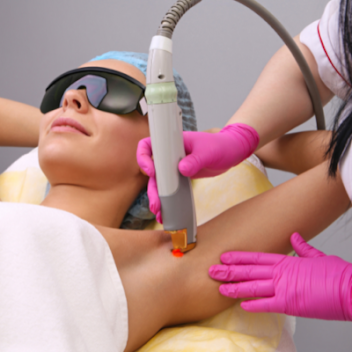
Photobiomodulation uses specific wavelengths of red or near-infrared light to interact with cellular processes. Research across several medical applications suggests PBM may influence mitochondrial activity, inflammatory signaling, pain pathways and tissue repair.
Importantly, evidence in breastfeeding populations is more established for nipple injuries and breastfeeding-associated pain than for mastitis itself. A recent systematic review and meta-analysis of randomized clinical trials found that PBM was associated with reduced pain and faster healing of nipple lesions in breastfeeding women.
This provides a scientific rationale for investigating PBM as a supportive therapy, while larger studies are still needed to determine whether it meaningfully changes the course of mastitis.
Potential Benefits
When appropriately assessed by a qualified professional, PBM may offer several potential advantages:
- Non-invasive and drug-free
- May help manage localized pain
- May support tissue-repair processes
- No needles or surgical procedures
- Can potentially be incorporated alongside breastfeeding care
- May be useful when medication options require additional consideration
PBM should be viewed as supportive care, rather than a substitute for diagnosis or treatment of infection, abscess, or other breast conditions.
PBM vs. Medication and Other Approaches
Medication: Analgesics and anti-inflammatory medicines may provide important symptom relief, while antibiotics may be appropriate when bacterial infection is suspected or clinically diagnosed.
Conventional supportive care: Breastfeeding guidance, rest, appropriate milk removal and inflammation management remain central to mastitis care.
PBM: Offers a non-pharmacological approach that may help with pain and tissue healing, but evidence for mastitis specifically is still developing. The Academy of Breastfeeding Medicine currently provides evidence-based mastitis protocols for clinical management.
At COL Center in Victoria, BC, treatment decisions should be individualized, with breastfeeding status and the nature and severity of symptoms considered before any light-based treatment.
FAQs
Can
PBM replace antibiotics for mastitis?
No. PBM should not replace medical treatment when bacterial infection or
another complication requires treatment.
Is
PBM proven to cure mastitis?
Not yet. Evidence is promising for some breastfeeding-related pain and tissue
injuries, but mastitis-specific evidence remains limited.
Can
I continue breastfeeding?
In many cases, breastfeeding can continue, but individual circumstances vary.
Seek guidance from a healthcare professional or lactation specialist.
When
should I seek medical care?
Seek prompt assessment for severe symptoms, worsening redness or swelling,
significant fever, a persistent lump, or symptoms that are not improving.
PBM itself is a non-invasive light-based modality, but safety and treatment parameters depend on the device and application. A qualified clinician should determine whether it is appropriate for your situation.

Comments
Post a Comment